Christmas Graphic Illustration Concept for Blogs
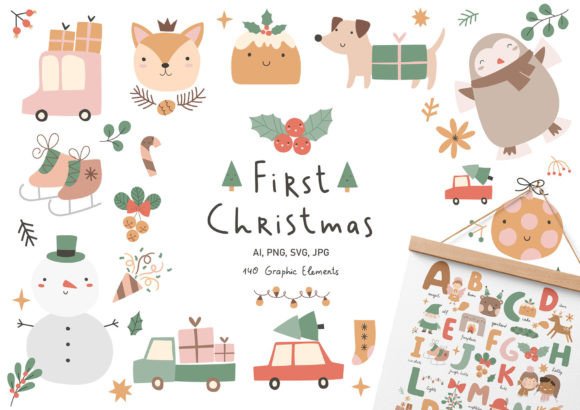
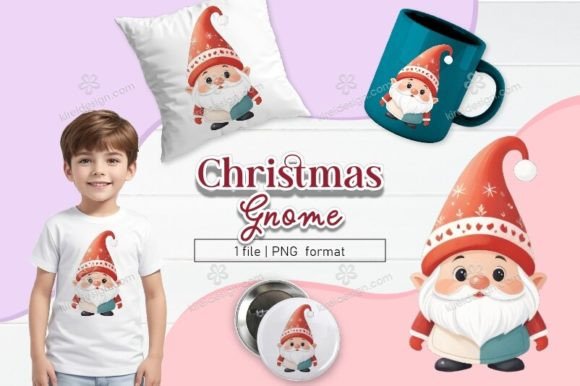
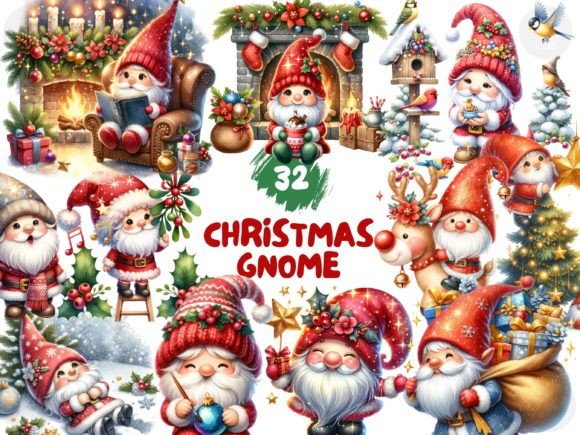
As a digital publisher who has spent years refining the visual identity of multiple content websites, I approach every new graphic design asset with a critical eye. It is not enough for an image to simply look pretty; it must perform. When I first opened the files for the Christmas Graphic Illustration Concept, my immediate thought was not just about the holiday spirit, but about how this specific set of Illustrations would translate into real-world editorial design. The first impression is one of warmth mixed with modern cleanliness. It avoids the cluttered, overly kitschy aesthetic that often plagues seasonal content, opting instead for a style that feels curated and lifestyle-focused. This subtle distinction is crucial for maintaining reader trust, especially when you are trying to monetize a blog or build a loyal newsletter audience during the busy Q4 season.
The editorial mood created by this asset is distinctly inviting yet professional. For bloggers and content creators, the tone of your visuals dictates how readers perceive the quality of your writing. If your graphics look amateurish, readers subconsciously assume your advice is equally unpolished. This concept bridges that gap. It supports niches ranging from home decor and DIY crafts to food blogging and family lifestyle content. Because the style is somewhat artistic but grounded in modern design principles, it does not alienate readers looking for serious advice wrapped in a festive package. It feels decorative without being distracting, which is a rare balance to find in stock imagery.
Integrating Seasonal Visuals into Your Publishing Workflow
In a real publishing workflow, versatility is king. You cannot buy a separate image for every single platform you use. The Christmas Graphic Illustration Concept shines because it adapts seamlessly across various formats. Imagine preparing your content calendar for December. You need a striking website header to announce your holiday gift guide. This asset provides the perfect backdrop, offering enough negative space to overlay bold typography without losing legibility.
Beyond the homepage, consider the lifeblood of traffic for many publishers: the Pinterest pin. Pinterest is a visual search engine where visual hierarchy determines click-through rates. These illustrations offer clear focal points that draw the eye immediately, making them ideal for creating vertical graphics that stand out in a crowded feed. Whether you are designing a standard blog post featured image, a category thumbnail for your archive page, or a banner for an upcoming sale, the consistency of this digital download helps reinforce your brand identity.
For those of us creating digital products, the utility extends even further. If you are launching a digital guide, a holiday recipe eBook, or a printable planner, these graphics can serve as chapter dividers, cover art, or internal accents. They elevate a simple PDF into a premium digital product that customers feel good about purchasing. Similarly, for newsletter creators, using these elements in email headers can significantly boost open rates by signaling fresh, relevant content before the subscriber even reads the subject line.
Boosting Content Performance Through Strategic Design
Why does a specific illustration style matter for performance? It comes down to cognitive load and brand recognition. When a reader sees a consistent visual language across your blog graphics, social media graphics, and ads, they begin to recognize your content instantly. This Christmas Graphic Illustration Concept supports stronger category recognition. If you use these visuals exclusively for your holiday content, your audience will eventually associate this specific look with your expert advice on winter topics.
Furthermore, a polished visual presentation improves reader trust. In the world of affiliate marketing, where you are recommending products to your audience, professionalism is currency. High-quality design assets signal that you care about the user experience. A well-designed article header suggests that the content within is equally well-researched. This leads to better engagement metrics, longer time-on-page, and ultimately, higher conversion rates for your affiliate links or own products.
Ideal Use Cases and Strategic Placement
To get the most out of this asset, you must deploy it strategically. It works best in areas where the image has room to breathe. Hero images on landing pages are a prime example. Here, the illustration can set the entire emotional tone for the page. Article thumbnails on your homepage also benefit greatly, as the clean lines of the concept remain visible even at smaller sizes. It is also excellent for content upgrades and lead magnet covers, where the goal is to make a free resource look valuable enough to exchange an email address for.
However, caution is required. Not every context is suitable for this type of illustrative work. If you are operating in a very serious professional niche, such as legal advice or corporate finance, a heavy-handed Christmas theme might undermine your authority. In these cases, use the asset sparingly—perhaps only as a small accent in a footer or a sidebar, rather than a dominant hero image. Additionally, be wary of using these graphics on low-contrast backgrounds. If the illustration relies on subtle pastels or light tones, placing it against a white or light gray background may render it invisible. Always ensure there is sufficient contrast between your graphic and the background color of your theme.
Practical Notes for Publishers and Designers
Before integrating the Christmas Graphic Illustration Concept into your live site, there are several technical checks you should perform. First, test the images on both desktop and mobile screens. What looks balanced on a wide monitor might appear cramped on a smartphone. Pay close attention to how the illustration looks as a thumbnail; details that look crisp at full size can turn into mud when scaled down to 300 pixels wide.
Typography pairing is another critical factor. Preview the graphics alongside your current font stack. Try placing the illustration next to serif fonts for a classic editorial look, sans serif fonts for a modern vibe, or even script and handwritten fonts if you want to emphasize the handmade, personal feel of the holidays. Ensure that the text remains readable and that the visual weight of the font matches the weight of the illustration.
From a technical performance standpoint, review the file sizes. Large, uncompressed images can slow down your page load times, which hurts SEO and user experience. Compress your images properly using tools like TinyPNG or Squoosh before uploading them to your CMS. Finally, and perhaps most importantly, confirm the licensing terms. Ensure you have a valid commercial license if you plan to use these assets on monetized websites, in paid advertising campaigns, or within products you sell. Buying from a reputable creative marketplace usually guarantees this, but always read the fine print to protect your small business branding and avoid legal issues down the road.
In conclusion, the Christmas Graphic Illustration Concept is more than just a seasonal decoration; it is a functional tool for the serious publisher. By enhancing your web design and providing a cohesive look across your content marketing efforts, it helps you navigate the competitive holiday landscape with style and professionalism.