Reviewing Christmas Nutcracker Set 1 for Holiday Projects
As we approach the busiest season for custom orders, every designer knows the pressure of selecting the right machine embroidery design. It is not just about finding something festive; it is about finding a file that holds up under the needle, looks professional on the finished product, and resonates with customers. Recently, I spent some time evaluating Christmas Nutcracker Set 1, a collection categorized under Illustrations, to see if it truly belongs in my library of go-to holiday assets. My goal was simple: determine if this set can handle the rigors of real-world production, from boutique sweatshirts to delicate baby gifts.
First Impressions and Visual Personality
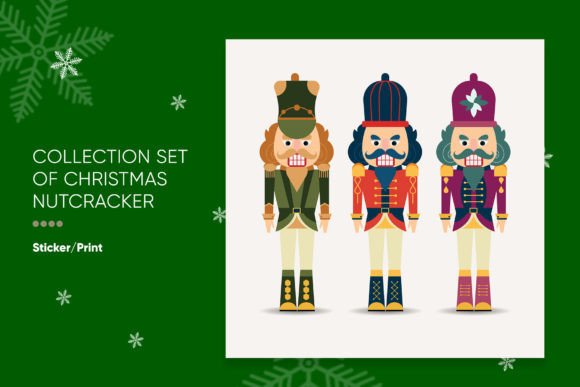
When I first opened the preview files for Christmas Nutcracker Set 1, the immediate takeaway was its classic yet whimsical mood. Unlike some modern, minimalist holiday designs that rely on single-line art, this set embraces the traditional richness of the season. The shapes are bold enough to read well from a distance, which is crucial for items like tote bags or wall hangings, but they retain enough internal detail to satisfy close-up inspection.
The layout of the characters feels balanced, avoiding the cluttered look that often plagues complex holiday motifs. For an Etsy seller or small shop owner, visual clarity translates directly to sales. If a customer cannot instantly recognize the subject in a thumbnail image, they scroll past. This set manages to capture the iconic silhouette of the nutcracker while injecting enough personality to feel fresh. It strikes a nice balance between nostalgia and contemporary craft trends, making it versatile for various demographics.
Real-World Application: The Holiday Sweatshirt Test
To truly gauge the viability of any embroidery file, I mentally run it through a specific production scenario. Imagine a client ordering a set of matching family sweatshirts for Christmas morning photos. They want something high-quality that won't look stiff or crack after one wash. This is where Christmas Nutcracker Set 1 faces its first real test.
For sweatshirt embroidery, the stitch density is paramount. If the design is too dense, the fabric puckers, and the garment becomes uncomfortable. If it is too light, the backing shows through, looking cheap. Based on the visual complexity of this set, it appears to utilize a smart mix of fill stitch for the body and satin stitch for the outlines and decorative elements. This combination usually provides excellent coverage on thicker fabrics like fleece or French terry without adding excessive bulk.
I can envision this design working beautifully on a chest pocket or as a larger back print. The color palette suggested in the previews—rich reds, deep greens, and gold accents—pops wonderfully against neutral heather grey or navy blue garments. For a custom apparel business, this kind of reliability is gold. It means fewer redo stitches and happier clients who trust your brand consistency.
Versatility Across Different Products
Beyond apparel, the adaptability of Christmas Nutcracker Set 1 extends to home decor and accessories. Consider a tote bag design for a holiday market. Canvas bags require designs that can withstand friction and frequent handling. The robust nature of these illustrations suggests they would hold up well as an embroidered patch application or direct stitching on heavy-duty canvas.
For those running a craft business focused on nursery decor, this set could be scaled down for baby embroidery projects. A small nutcracker on a onesie or a blanket border adds a sweet, seasonal touch. However, scaling down requires caution. When reducing the size for smaller hoops, one must ensure that the fine details do not get lost or turn into a tangled mess of thread. It is always wise to check the minimum recommended size provided with the digital embroidery file before committing to a tiny application.
Kitchen textiles are another strong contender. A holiday embroidery motif on a linen tea towel or an apron makes for a thoughtful personalized gift. The illustrative style fits the cozy, handmade aesthetic that is currently very popular in home goods. Whether used for a small shop product line or a one-off custom order, the design's character elevates the perceived value of the finished product.
Technical Considerations and Fabric Challenges
While the aesthetic appeal is strong, a professional reviewer must also address the technical hurdles. Not every fabric plays nice with every design. When working with Christmas Nutcracker Set 1, attention must be paid to fabric texture and stretch.
- Stretchy Fabrics: If applying this to a knit cap or a stretchy t-shirt, the use of a cut-away stabilizer is non-negotiable. Tear-away stabilizers might not provide enough support for the denser areas of the illustration, leading to distortion over time.
- Dark Fabrics: The color contrast in the design is generally good, but on very dark fabrics like black velvet or charcoal wool, you may need to adjust the thread colors slightly or add an underlay to prevent the fabric color from muting the vibrancy of the design.
- Curved Surfaces: Embroidering on a cap requires precise hooping. The detailed corners of the nutcracker's hat or uniform could be tricky on a curved surface. Testing on a scrap piece of similar material is essential to ensure the needle does not skip or break.
- Washability: For items that will be frequently washed, such as kitchen towels or children's clothing, inspecting the stitch density is vital. Overly dense areas can become stiff and uncomfortable. If the design allows, trimming jump stitches and ensuring proper tie-offs will enhance durability.
Enhancing Brand Value and Customer Trust
In the world of commercial embroidery, the quality of your design assets directly impacts your reputation. Using a well-constructed file like Christmas Nutcracker Set 1 signals professionalism. Customers may not know the difference between a running stitch and a satin column, but they certainly know when something looks sloppy versus polished.
A clean, crisp embroidery job builds customer trust. It encourages repeat business and positive reviews, which are the lifeblood of an Etsy seller or independent maker. Furthermore, having a cohesive set of illustrations allows for better branding. You can create a entire holiday collection featuring these nutcrackers across different products, creating a recognizable visual identity for your small shop.
Final Verdict and Designer Notes
After a thorough evaluation, Christmas Nutcracker Set 1 stands out as a strong contender for the upcoming holiday season. Its illustrative style offers a charming blend of tradition and craft that appeals to a wide audience. However, success lies in the execution.
Before launching this design in your store or using it for a high-stakes client project, I strongly recommend the following steps:
- Test on Scrap Fabric: Always stitch a sample on the exact material you intend to use. This reveals issues with tension, density, or registration that screens cannot show.
- Check Thread Contrast: Verify that your chosen thread colors provide sufficient contrast, especially if deviating from the suggested palette.
- Review Licensing: Confirm the license terms associated with the design assets. Ensure you have the rights to sell finished physical goods or if there are restrictions on digital redistribution.
- Mockup Testing: Create printable mockups in both color and black-and-white to see how the design translates in marketing materials before you even stitch a single thread.
- Hoop Size Confirmation: Double-check that the design fits within your available hoop sizes, particularly if you are working with smaller machines or specific garment constraints.
In conclusion, Christmas Nutcracker Set 1 is a versatile and visually appealing option for designers looking to expand their holiday offerings. With careful attention to technical details and fabric selection, it has the potential to become a bestseller in your handmade product lineup. It is a reminder that great embroidery is part art, part science, and entirely dependent on the skill and preparation of the maker behind the machine.