Review: Christmas Clipart PNG Teddy Bear for Embroidery
As a designer who spends more time staring at stitch simulations than most people care to admit, I approach new assets with a healthy dose of skepticism. We all know the feeling: you find a cute graphic online, imagine it perfectly stitched on a holiday tote, and then reality hits when the satin stitches merge into a blob. Today, I am evaluating the Christmas Clipart PNG Teddy Bear Clipart specifically through the lens of an embroidery professional. This isn't just about whether the image looks good on a screen; it is about how those lines translate into thread, how the design holds up on textured fabrics, and whether it can carry the weight of a commercial product.
First Impressions and Visual Personality
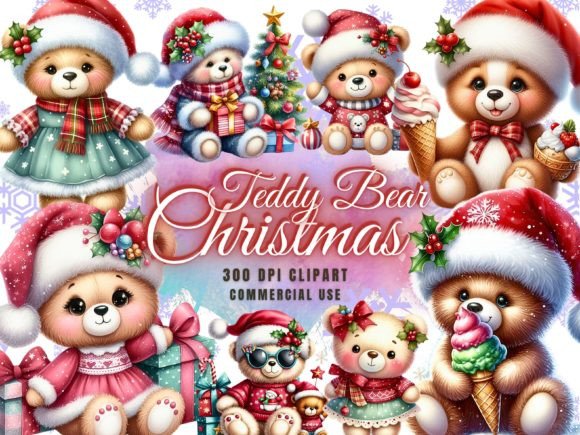
When I first pulled up the Christmas Clipart PNG Teddy Bear Clipart, the immediate takeaway was its warmth. In the world of Illustrations, holiday themes often swing too hard into cliché or overly complex detail that simply does not survive the needle. This design, however, strikes a balance. The silhouette of the bear is distinct, avoiding the muddy middle grounds that plague low-resolution clipart. For an embroidery project, clear shapes are non-negotiable. If the eye cannot distinguish the ear from the hat in a digital preview, the machine certainly will not distinguish it with thread.
The mood here is nostalgic but clean. It feels like something that belongs on a heirloom blanket rather than a fast-fashion t-shirt. The visual personality suggests a softness that pairs well with plush fabrics. However, as a reviewer, I have to look past the charm. The key question is: does this Christmas Clipart PNG Teddy Bear Clipart have enough structural integrity to be converted into a viable machine embroidery design? From what I see, the lines are bold enough to suggest that a digitizer could create a robust file without losing the character's essence.
Real-World Application: The Holiday Tote Scenario
To truly test the potential of this asset, I imagined a specific real-life scenario: a small batch order for a boutique client needing custom holiday gift bags. The goal was to create a tote bag design that felt handmade but polished. I visualized placing the bear centrally on a canvas tote. Because the design relies on strong outlines, it would likely perform exceptionally well as an applique design. By cutting the bear shape from felt or fleece and using a tight satin stitch border, the texture of the fabric would enhance the cuddly nature of the subject.
If stitching directly onto the fabric, the Christmas Clipart PNG Teddy Bear Clipart would need careful handling regarding stitch density. On a canvas tote, which has a rougher fabric texture, a standard fill stitch might sink in if not properly compensated. I would recommend using a heavier weight stabilizer to prevent the design from puckering. For a finished product intended for gifting, the clarity of the bear's features—like the bow tie or holiday hat—adds that extra touch of professionalism that justifies a higher price point. Customers trust products where the details are crisp, and this design offers that potential if executed correctly.
Versatility Across Products
Beyond tote bags, this illustration has legs in several other categories. For sweatshirt embroidery, the design's simplicity is an asset. Heavy cotton blends can swallow fine details, so a bolder graphic like this bear ensures visibility. It would also shine as an embroidered patch. Creating a merrow-edge patch featuring this bear could be a fantastic addition to an Etsy seller's inventory, offering a removable decoration for jackets or backpacks.
I can also see this working beautifully for baby embroidery. The gentle curves of the teddy bear are inherently soothing and appropriate for nursery decor or onesies. However, when scaling down for smaller items like bibs or socks, one must be cautious. The hoop size constraints might force a reduction that compromises the tiny details. Always check if the design elements remain distinct when resized to two or three inches.
Critical Considerations for Stitching
While the aesthetic appeal is high, there are technical hurdles to consider before committing to a large run. The Christmas Clipart PNG Teddy Bear Clipart is a raster image, meaning it is not yet a digital embroidery file. You cannot load a PNG directly into your machine. This requires a digitizing step. If you are not a digitizer yourself, you will need to hire one or use software to convert it. This is where the quality of the original PNG matters immensely. High contrast and clean edges in the source file make the digitizer's job easier, resulting in fewer jumps and trims in the final embroidery file.
There are specific situations where you should proceed with caution. If you plan to stitch this on dark fabric, ensure your digitized version includes a proper underlay. Without it, the white or light-colored threads of the bear might look gray or allow the background to show through. Similarly, on stretchy fabrics like jersey knits, the density of the stitch fill needs to be managed carefully to prevent the garment from warping. Curved surfaces, such as caps, present another challenge; the flat nature of the bear illustration might distort if not positioned correctly on the front panel.
Enhancing Brand Value and Customer Trust
For craft business owners, the choice of design assets directly impacts brand perception. Using a generic, poorly adapted clipart can make a handmade product look amateurish. Conversely, taking a strong image like the Christmas Clipart PNG Teddy Bear Clipart and executing it with high-quality thread and precise tension elevates the item. It transforms a simple piece of cloth into a personalized gift with emotional resonance.
Consistency is key. If you are building a holiday collection, ensure that the style of this bear matches your other design assets. Mixing overly detailed realistic bears with cartoonish ones can confuse your brand identity. This particular design leans towards classic and sweet, making it ideal for boutiques focusing on traditional holiday aesthetics. When customers see a cohesive lineup of holiday embroidery on your website or at a craft fair, it builds recognition and trust.
Practical Notes for the Designer
Before you start stitching for clients, here is my checklist for working with this type of image:
- Test on Scrap Fabric: Never skip the test run. Stitch the design on the exact same material you intend to sell to check for puckering or thread breaks.
- Check Thread Contrast: Ensure your thread colors pop against the fabric. A brown bear on a navy shirt might need a lighter outline to stand out.
- Review Stitch Density: If the digitized version feels too stiff, ask your digitizer to reduce the density, especially for wearable custom apparel.
- Inspect Small Details: Look closely at the eyes and nose. These tiny areas often cause threading issues if they are too small for the needle.
- Mockup Testing: Create black and white mockups to see if the design holds its form without relying on color.
- Licensing Verification: Since this is a clipart product, confirm the license terms. Can you use it for commercial embroidery? Are there limits on the number of physical items you can sell? Never assume; always read the fine print.
In conclusion, the Christmas Clipart PNG Teddy Bear Clipart is a promising starting point for festive projects. It possesses the visual clarity and thematic warmth needed for successful holiday goods. However, its success ultimately depends on the skill of the digitizer and the care taken during the stitching process. For the small shop product creator willing to put in the prep work, this design offers a solid foundation for creating memorable, high-value items that customers will cherish.